

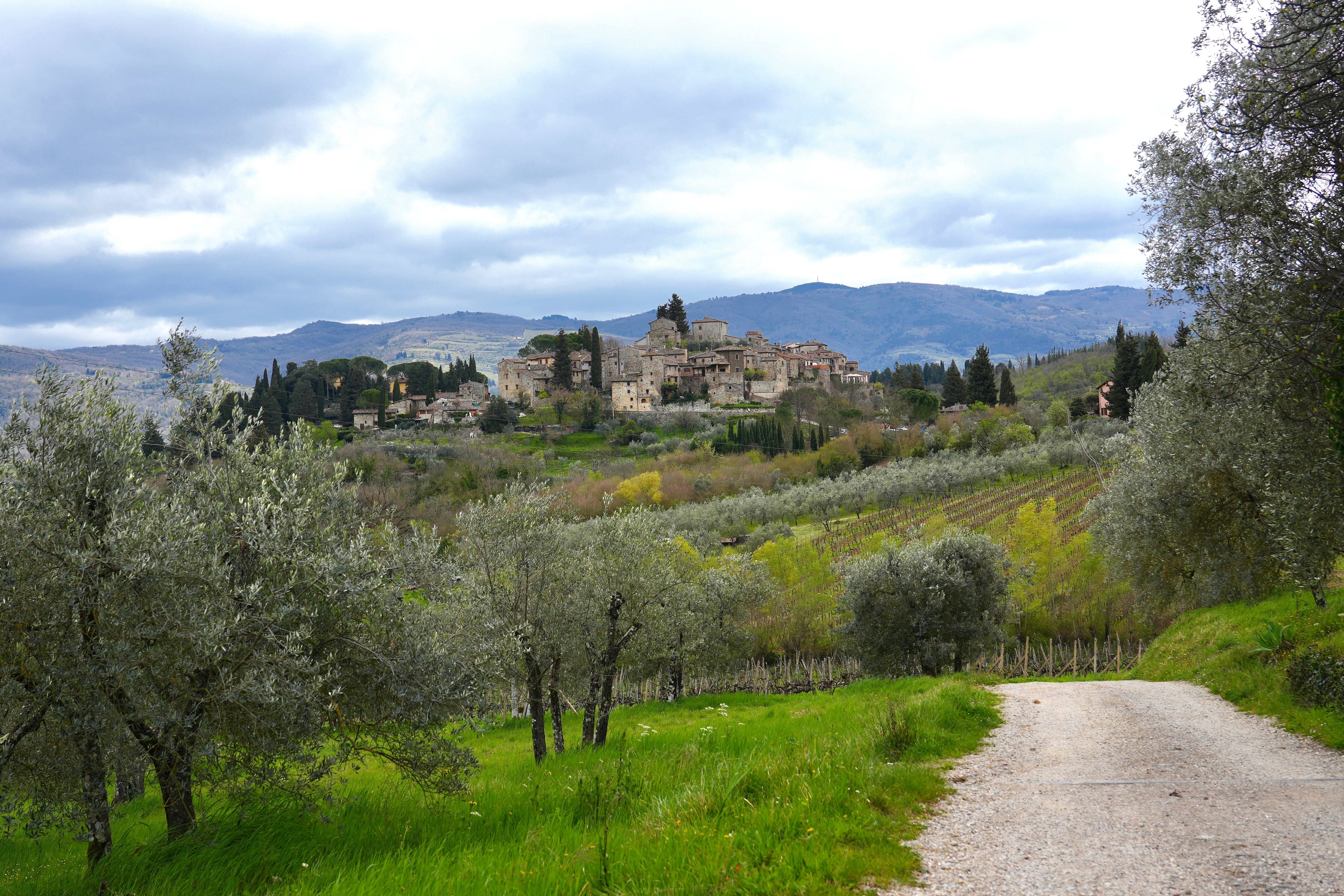
Waking up in Tuscany that first morning felt like stepping into heaven while carrying a quiet, unshakable sadness inside. I sobbed.
We had just arrived from California, three flights and a long drive. It should have felt like a joyful arrival. Instead, I found myself completely coming apart.
We surrendered to some much needed sleep deep in the heart of Chianti, in a farmhouse perched on a quintessentially Tuscan hill, wrapped in vineyards, olive groves, and cypress trees. At 3:00 a.m., I gave in to my restless wakefulness, and Mike lovingly updated me on current events, which I had been intentionally avoiding.
We live in a strange time, where so much power and money is handed to craven, selfish, cruel, and sociopathic narcissists across the board.
This is where the temptation comes in: to freeze, to wait, to say, I will live fully when this is over, when the world makes sense again, when things feel safe and sane and fair.
I try, as you probably know by now, to keep a deliberate distance from the constant churn of political noise and global turmoil. Not because I do not care, but because I care so much. Distance, for me, is a form of preservation. Still, every so often, I open the door and let reality settle in. That morning, it rushed in all at once.
It was not graceful. It was messy, heartbreaking grief. I cried, not the contained, quiet kind, but the kind that rises from somewhere deep beneath mindful thought, a flood of anger, disbelief, and chest aching sorrow for what is being broken. Not only in one country, but in the fragile threads that have always connected humanity across borders, cultures, and oceans as one human race. In that moment, it felt almost impossible to reconcile the beauty outside my window with the ugliness unfolding elsewhere.
And yet, this is exactly the paradox we are all living inside right now.
In those hours before dawn, I felt profound grief for our country, for the people already harmed, for our friends in Europe listening to careless, incendiary words directed at their home and their lives. Grief for the constant erosion of trust, truth, and basic decency.
The injustice, the lies, the violence, and the deliberate tearing down of international friendships all felt too overwhelming, too heavy, too relentless to withstand.
The first hint of light began to stretch over the Chianti hills. By the time the sky shifted from darkness to a soft pink, I had cried myself empty.
When the tears finally ran their course, I wiped my face, turned toward the faint sunlight beginning to seep through the window, and watched the Tuscan hills slowly reveal themselves in the early light. Vineyards, cypress trees, olive groves, all of it emerging from the darkness as if nothing in the world were wrong.
In that moment, the contrast was almost unbearable: unspeakable cruelty on one side of the world and here, on the other side, absolute stillness and beauty.
I talk about this often because I need the reminder as much as anyone. Life does not pause for us. It does not hold our days in storage for later, waiting for the wars to end, inflation to settle, the narcissists to lose their power, and humanity to collectively behave.
We do not get those mornings back, the ones filled with mist and soft pink sunrises, when neighbors are clanking espresso cups in their kitchens and the bakers are sliding the first loaves into the oven.
What I felt that morning was not denial. Not avoidance. It was resolve.
A steady insistence to live. Fully. Deliberately. Without apology.
We cannot put our lives on hold while we wait for the world to turn right side up. That day may never arrive in the way we imagine it. If we surrender our days, our joy, our curiosity, our willingness to be amazed to the chaos and the cruelty, something vital in us begins to atrophy.
There are people in this world who thrive on domination and distraction, who feed on noise and outrage, who are experts at capturing our attention and keeping it as a kind of hostage. But we still have agency over where we place our gaze, how we spend our precious hours, and how we move through this one irreplaceable life.
If we surrender our one precious existence to the constant spectacle of cruelty, we are handing over exactly what they crave most: our attention, our energy, our joy. Even our life.
So we choose differently.
We travel. We gather around tables. We talk to strangers and discover that kindness has not disappeared.
In Tuscany, that choice looks like this: we drive the winding road through the Val d’Orcia, past olive groves and medieval hamlets, to visit a family run winery that has been caring for its vines for generations. We step into their cool stone cellar, where the air smells of oak, fermenting grapes, and time. We taste their Chianti Classico and listen as they tell us about this year’s harvest, the late rains, the risk, the relief.
We sit at a long table, set simply but beautifully with local pecorino, bruschetta drizzled with new olive oil, and tomatoes that were still on the vine only days ago. We raise our glasses together and toast to the quiet privilege of being alive.
